Home › Articles
Why Am I Always Bloated? Common Causes and What Actually Helps
By the Gut Label Check team. Updated October 16, 2026. 5 min read
Disclosure: some pages on this site contain affiliate links. This article is general information, not medical advice.
Almost everyone feels bloated sometimes. Feeling bloated most days is different: there is usually a cause you can find, and what helps depends on that cause.
The short answer
- Most common causes: gas from food and swallowed air, constipation, food intolerances and irritable bowel syndrome (IBS).
- What helps: treating constipation, eating more slowly, fewer fizzy drinks, a short low-FODMAP trial with a dietitian, and peppermint oil if you have IBS.
- What lacks evidence: probiotics for bloating, which US gastroenterologists don’t recommend, and most “gut” capsules.
- See a doctor if you are bloated regularly, losing weight, or seeing blood in your stool.
Get urgent medical help if bloating comes with: sudden or severe stomach pain, vomiting blood or vomit that looks like coffee grounds, fever, being unable to poop or pass gas, or a lump in your belly. See a doctor soon if you feel bloated regularly, are losing weight without trying, or have blood in your stool. Women aged 50 and over: bloating more than 12 times a month, or for more than a month, is a reason to ask about a CA125 blood test. Persistent bloating can be an early sign of ovarian cancer.
Bloating and distension are different
Bloating is the feeling of fullness, pressure or trapped gas. Distension is a visible increase in the size of your belly. You can have one without the other, and the causes overlap but aren’t identical. Doctors use both words, so it helps to tell them which one you have.
Common causes and the clues for each
| Cause | Clues | What to try |
|---|
| Swallowed air and fizzy drinks | Burping; worse after eating quickly, chewing gum or carbonated drinks | Eat slowly with your mouth closed; cut back on fizzy drinks |
| Gas-producing foods | Worse after beans, lentils, cabbage, onions and similar foods | Smaller portions; alpha-galactosidase for beans; a low-FODMAP trial |
| Constipation | Fewer or harder stools, straining | Treat the constipation first |
| Lactose or fructose intolerance | Gas, bloating or loose stools after dairy, or after fruit and sweeteners | A trial of cutting the suspected food, or a breath test |
| IBS | Belly pain linked to bowel movements, changes in stool | A doctor’s diagnosis; low-FODMAP trial, soluble fiber, peppermint oil |
| Coeliac disease | Diarrhea, belly pain, tiredness, weight loss | A blood test while you are still eating gluten |
| Small intestinal bacterial overgrowth (SIBO) | More likely after bowel surgery or with conditions that slow the gut | Breath testing and treatment by a doctor |
| Hormones | Before a period or around menopause | Track it against your cycle |
| Belly wall reflex (abdomino-phrenic dyssynergia) | The belly visibly pushes out after meals | Biofeedback and diaphragmatic breathing with a specialist |
The 2023 clinical practice update from the American Gastroenterological Association (AGA) says carbohydrate intolerances can be checked with a trial of dietary restriction or a breath test. It reserves scans and endoscopy for people with warning signs, recent worsening or abnormal findings on examination.
What actually helps
1. Everyday habits
The NHS suggests regular exercise, eating slowly, smaller and more frequent meals, enough water and a gentle belly massage. It suggests cutting back on fizzy drinks, alcohol, caffeine, large late-night meals and big portions of gas-producing foods.
2. Treat constipation
If you are constipated, the AGA advises treating it as a way to reduce bloating. See constipation remedies ranked by evidence, psyllium: dose and real cost and magnesium for constipation.
3. A short low-FODMAP trial
FODMAPs are carbohydrates that gut bacteria ferment into gas: found in beans, onions, garlic, wheat, some fruits, milk and sweeteners such as sorbitol. The American College of Gastroenterology (ACG) recommends a limited trial of a low-FODMAP diet for IBS. It is meant as a short elimination followed by reintroducing foods, not a permanent diet, so it works best with a dietitian.
4. Peppermint oil, if you have IBS
The ACG suggests peppermint oil for overall IBS symptoms. The most common side effects are mild heartburn and indigestion.
5. The right enzyme for the right food
Lactase can help if you are lactose intolerant, and alpha-galactosidase with meals containing beans or lentils. Broad enzyme blends have little evidence. Details: digestive enzymes for bloating.
6. Over-the-counter options
The NHS notes that a pharmacist can advise on simeticone for bloating and on laxatives if constipation is the cause.
What doesn’t have good evidence
- Probiotics: the AGA does not recommend probiotics for bloating or distension because good studies are lacking. More in probiotics for constipation and bloating.
- “Detox” and “cleanse” products: there is no good evidence that bloating comes from “stuck waste” that needs flushing out.
- Cutting out gluten without a test: it can make a later coeliac blood test inaccurate.
What about gut supplements?
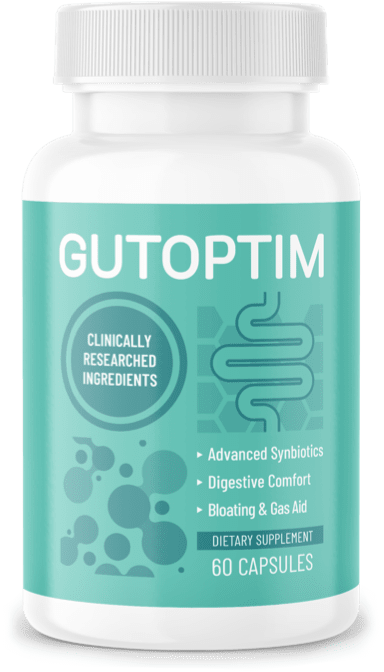
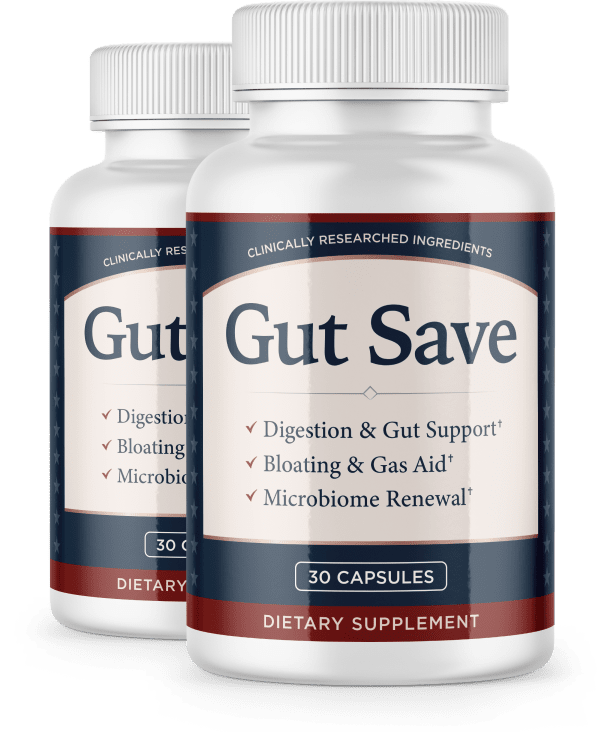
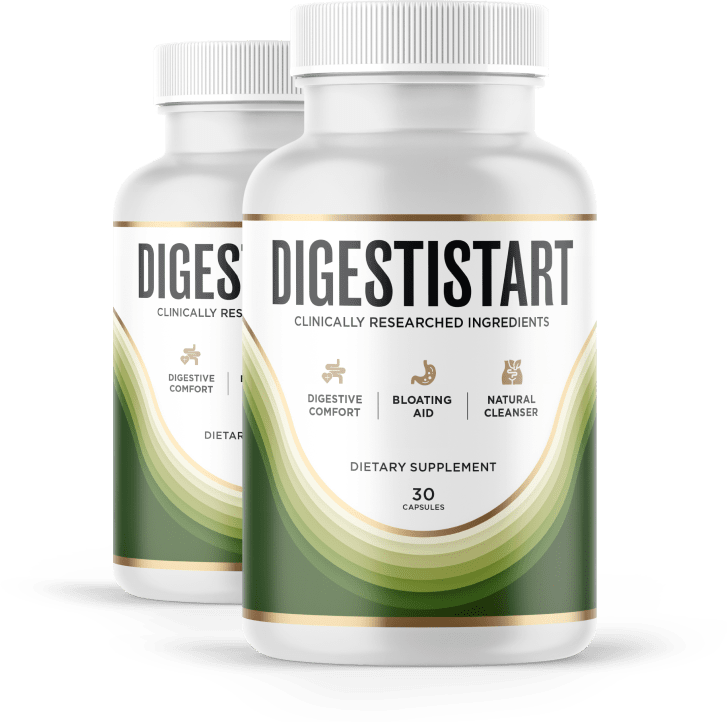
Bloating is one of the main promises of video-marketed gut capsules. None of the ones we reviewed has been tested in a trial for bloating. Gut Save relies partly on probiotics, which the AGA doesn’t recommend for bloating. GutOptim’s 1.5 g blend is far below the fiber doses used in research. Details: Gut Save vs DigestiStart vs GutOptim and our guide to supplements for bloating and constipation.
Questions people ask
Why am I bloated every day?
Usually because of gas from food and swallowed air, constipation, a food intolerance or IBS. If it happens regularly, or changing your diet hasn’t helped, see a doctor.
Why does my stomach bloat after eating?
Eating quickly, fizzy drinks and gas-producing foods are the usual triggers. If your belly visibly pushes out after meals, ask about abdomino-phrenic dyssynergia, a reflex that can be retrained with biofeedback.
How do I get rid of bloating fast?
There’s no instant fix. Moving around, a gentle belly massage and skipping fizzy drinks may help; a pharmacist can advise on simeticone.
When is bloating a sign of something serious?
When it comes with weight loss, blood in your stool, vomiting, fever or a lump, or when a woman aged 50 or over has it more than 12 times a month. Those need a doctor.
Gut supplements we checked
GutOptim
Fiber, clay, aloe and one probiotic in a 1.5 g blend
Serving2 capsules a day
Cost per day$1.63–$2.30
Every dose shownNo
Full ingredient list, but the whole blend is a fraction of the fiber doses used in studies.
Check price on the official site
Read the label check
Gut Save
Fish collagen, herbs and probiotics, 500 mg with every dose listed
Serving1 capsule a day
Cost per day$1.63–$2.63
Every dose shownYes
The most open label of the three, with small amounts of each ingredient.
Check price on the official site
Read the label check
DigestiStart
11 traditional Chinese herbs in a 500 mg blend
Serving1 capsule a day
Cost per day$1.63–$2.63
Every dose shownNo
A herbal tonic blend, about 45 mg per herb, with mostly lab and animal studies behind it.
Check price on the official site
Read the label check
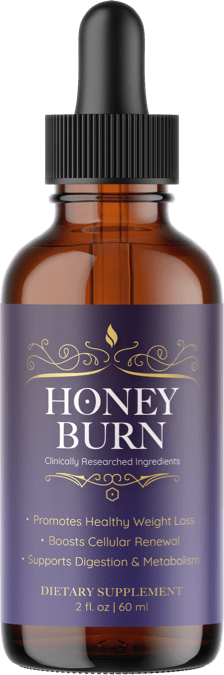
HoneyBurn
Honey, bee products, herbs and berberine in a 550 mg blend
Serving2 ml liquid a day
Cost per day$1.63–$2.30
Every dose shownNo
Berberine is listed last, so a serving holds about 4 mg of it at most.
Check price on the official site
Read the label check
Sources
- Moshiree B., Drossman D., Shaukat A. AGA Clinical Practice Update on Evaluation and Management of Belching, Abdominal Bloating, and Distention: Expert Review. Gastroenterology, 2023;165(3):791–800.e3. doi:10.1053/j.gastro.2023.04.039
- American Gastroenterological Association. New clinical practice update: belching, bloating and distention, September 2023. gastro.org
- NHS. Bloating (reviewed January 2026). nhs.uk
- NICE. Ovarian cancer, quality standard QS18, statement 1: symptoms and CA125. nice.org.uk
- Lacy B.E. et al. ACG Clinical Guideline: Management of Irritable Bowel Syndrome. American Journal of Gastroenterology, 2021;116(1):17–44. PubMed 33315591
- NHS. Coeliac disease: diagnosis. nhs.uk