Home › Articles
Magnesium for Constipation: Oxide vs Citrate, How Much, and Who Should Avoid It
By the Gut Label Check team. Updated October 16, 2026. 4 min read
Disclosure: some pages on this site contain affiliate links. This article is general information, not medical advice.
Magnesium is one of the oldest constipation remedies, and one of the few supplements named in gastroenterology guidelines. But the form, the dose and your kidneys matter more than the brand.
The short answer
- Magnesium oxide is the form with trial evidence for chronic constipation. Both the 2023 AGA–ACG guideline and the 2025 British Dietetic Association guideline include it.
- Magnesium citrate solution and milk of magnesia are fast, short-term laxatives, not daily supplements.
- Avoid magnesium laxatives if you have kidney disease, and ask a doctor before using them regularly.
Talk to a doctor before using magnesium for constipation if you: have kidney disease, are older, take several medicines, or have constipation with blood in the stool, weight loss or severe pain. Magnesium can build up to dangerous levels when the kidneys can’t clear it.
How magnesium relieves constipation
Magnesium laxatives are osmotic: they draw water into the intestine, which softens stool and makes it easier to pass. That is also why too much magnesium causes diarrhea.
What the guidelines say
- The 2023 guideline from the American Gastroenterological Association and the American College of Gastroenterology suggests magnesium oxide for chronic constipation. It is a conditional recommendation based on very low-certainty evidence: two trials from Japan, each using 1.5 g a day for 4 weeks.
- The guideline lists a starting dose of 400–500 mg of magnesium oxide a day, says earlier studies used 1,000–1,500 mg, and advises starting low. It advises avoiding magnesium oxide in kidney insufficiency because of the risk of high blood magnesium.
- The 2025 British Dietetic Association guideline, led by King’s College London, also lists magnesium oxide among the supplements that can help, alongside psyllium and probiotics (without singling out a specific strain).
Oxide, citrate, hydroxide or glycinate?
| Form | Elemental magnesium | How it’s used | Evidence for constipation |
|---|
| Magnesium oxide | About 60% by weight | Daily tablets or capsules | Trials in chronic constipation; named in both guidelines |
| Magnesium citrate (oral solution) | About 16% of the citrate salt | Single dose as a fast laxative or before some medical procedures | A short-term saline laxative; not the form studied for daily use |
| Magnesium hydroxide (milk of magnesia) | About 42% by weight | Liquid or chewable laxative | An established short-term laxative |
| Magnesium glycinate and similar | Varies | Sold for sleep, cramps or general supplementation | Not the forms used in the constipation trials the guidelines rely on |
How to read magnesium on a label
This is where people get confused. Labels state magnesium in two different ways:
- Supplement Facts usually show elemental magnesium, for example “Magnesium (as magnesium oxide) 250 mg”. That 250 mg is the magnesium itself.
- Drug Facts on laxatives, or the front of some packs, often show the compound, for example “Magnesium oxide 400 mg”. Only about 60% of that, around 240 mg, is magnesium.
So “magnesium oxide 400 mg” and “magnesium 400 mg (as oxide)” are different doses. The guideline doses above (400–500 mg, 1.5 g) refer to magnesium oxide, the compound.
How much is safe?
For healthy adults, the general upper limit for magnesium from supplements and medicines is 350 mg of elemental magnesium a day. Magnesium from food doesn’t count toward it. Laxative doses go above that limit, which is one more reason to use them for a set period with a doctor’s guidance rather than indefinitely on your own.
- Common side effects: diarrhea, cramping, bloating.
- Kidney disease: excess magnesium can build up in the blood. Signs of very high levels include weakness, low blood pressure and an irregular heartbeat. This is a medical emergency.
- Medicines: magnesium can reduce the absorption of some antibiotics (tetracyclines, quinolones) and osteoporosis drugs (bisphosphonates). Ask your pharmacist how far apart to take them.
- Don’t stack products. Antacids, laxatives and multivitamins can all contain magnesium.
How fast does it work?
- Magnesium citrate solution or milk of magnesia: usually within about 30 minutes to 6 hours. These are for occasional use.
- Daily magnesium oxide: works more gradually; the trials judged results over 4 weeks.
Comparing magnesium with other options? See constipation remedies ranked by evidence and speed and psyllium: dose and real cost.
Questions people ask
Which magnesium is best for constipation?
Magnesium oxide has the trial evidence for chronic constipation. Magnesium citrate solution is mainly a short-term, fast-acting option.
How much magnesium oxide should I take?
The AGA–ACG guideline lists a starting dose of 400–500 mg a day; trials used 1.5 g a day. Those amounts exceed the general supplement limit, so agree on them with your doctor.
Can I take magnesium every day for constipation?
The guideline says longer use of magnesium oxide is probably appropriate for people with healthy kidneys, but it should be agreed with a doctor, especially if you are older or take other medicines.
Does magnesium glycinate help constipation?
Glycinate is usually sold for sleep or cramps. It is not the form tested in the constipation trials behind the guidelines.
Gut supplements we checked
None of the gut capsules we reviewed contain magnesium. Here is what their labels do contain.
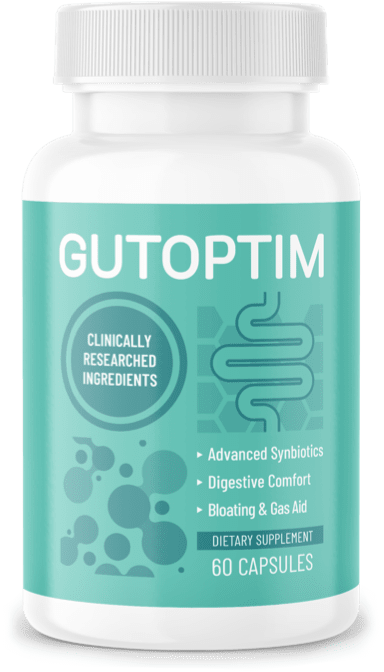
GutOptim
Fiber, clay, aloe and one probiotic in a 1.5 g blend
Serving2 capsules a day
Cost per day$1.63–$2.30
Every dose shownNo
Full ingredient list, but the whole blend is a fraction of the fiber doses used in studies.
Check price on the official site
Read the label check
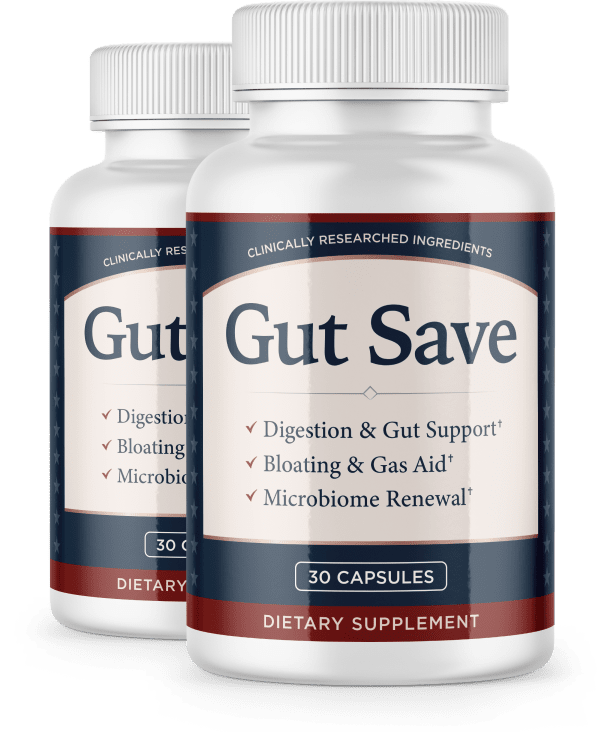
Gut Save
Fish collagen, herbs and probiotics, 500 mg with every dose listed
Serving1 capsule a day
Cost per day$1.63–$2.63
Every dose shownYes
The most open label of the three, with small amounts of each ingredient.
Check price on the official site
Read the label check
DigestiStart
11 traditional Chinese herbs in a 500 mg blend
Serving1 capsule a day
Cost per day$1.63–$2.63
Every dose shownNo
A herbal tonic blend, about 45 mg per herb, with mostly lab and animal studies behind it.
Check price on the official site
Read the label check
HoneyBurn
Honey, bee products, herbs and berberine in a 550 mg blend
Serving2 ml liquid a day
Cost per day$1.63–$2.30
Every dose shownNo
Berberine is listed last, so a serving holds about 4 mg of it at most.
Check price on the official site
Read the label check
Sources
- Chang L. et al. AGA–ACG Clinical Practice Guideline: Pharmacological Management of Chronic Idiopathic Constipation. Gastroenterology, 2023;164(7):1086–1106. PMC10542656
- Dimidi E. et al. British Dietetic Association guidelines for the dietary management of chronic constipation in adults. Journal of Human Nutrition and Dietetics, 2025;38(5):e70133. PubMed 41081513
- King’s College London. Kiwis could help manage chronic constipation (October 2025). kcl.ac.uk
- NIH Office of Dietary Supplements. Magnesium: Fact Sheet for Health Professionals. ods.od.nih.gov