Home › Articles
Leaky Gut: What It Is, the Symptoms, and Do Leaky Gut Supplements Work?
By the Gut Label Check team. Updated October 16, 2026. 4 min read
Disclosure: some pages on this site contain affiliate links. This article is general information, not medical advice.
“Leaky gut” is blamed online for everything from bloating to fatigue to skin problems, and a whole aisle of supplements promises to “repair the gut lining”. The science behind it is real but much narrower than the marketing.
The short answer
- Intestinal permeability is real. “Leaky gut syndrome” as a stand-alone illness is not a recognized diagnosis, according to Cleveland Clinic.
- Increased permeability shows up in conditions such as celiac disease and inflammatory bowel disease, where it is generally treated as a feature of the disease, not its cause.
- There is no standard test for it in patients, and “gut repair” supplements haven’t been shown to improve the conditions linked to it.
See a doctor if your gut symptoms come with: blood in the stool, unexplained weight loss, ongoing diarrhea, severe pain, fever or anemia, or if they started after a new medicine. These need a diagnosis, not a “leaky gut” label.
What intestinal permeability is
The lining of your gut has two jobs: let water and nutrients through, and keep larger, potentially harmful molecules out. It is never completely sealed. That small, controlled “leakiness” is how absorption works. “Increased permeability” means the lining lets through more than it should.
According to Cleveland Clinic, this is a recognized feature of inflammatory and autoimmune conditions such as celiac disease and inflammatory bowel disease (IBD). It can also be caused by:
- long-term overuse of NSAID painkillers or alcohol;
- radiation or chemotherapy;
- HIV/AIDS;
- food allergies.
In those conditions, scientists generally see permeability as a symptom of the disease, not the thing that causes it.
Symptoms blamed on leaky gut
Cleveland Clinic states that there are no symptoms directly associated with intestinal permeability. The bloating, gas, belly pain, diarrhea, indigestion or low energy people attribute to “leaky gut” come from whatever is irritating or injuring the gut. That is exactly why they deserve a real diagnosis: celiac disease, IBD, IBS, a food intolerance and many other causes need different care.
Is there a test?
There is no standard test that measures intestinal permeability directly in patients. Researchers use methods such as urine sugar tests, blood markers of bacterial products and biopsy techniques, but these are not routine clinical tests. Be cautious about direct-to-consumer “leaky gut tests” sold online.
Do leaky gut supplements work?
Cleveland Clinic’s position: the only known cure is treating the underlying condition, and treatments aimed directly at the gut lining haven’t been shown to improve those diseases or prevent them from coming back. Here is where the popular ingredients stand:
| Ingredient | Where the evidence stands |
|---|
| Probiotics | Specific strains are being studied for gut barrier function. The evidence is still developing, and effects depend on the strain. |
| L-glutamine | An amino acid that gut cells use for fuel. It is studied for gut barrier repair, but the evidence is limited. |
| Collagen peptides | The support is mostly lab research. Human trials of collagen mostly look at skin and joints, at doses of several grams a day. |
| Bovine colostrum | Small studies, for example in athletes after heavy exercise. Human evidence for everyday gut health is thin. |
| Zinc, vitamin D | Mentioned for gut lining support. High-dose zinc taken long term can cause copper deficiency, so don’t self-dose. |
What “gut repair” labels actually contain
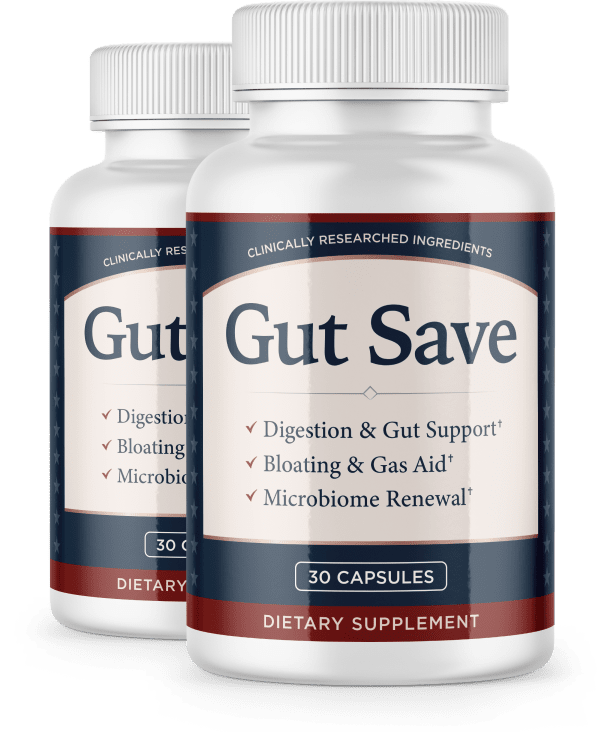
Gut Save is sold as a formula that helps “repair the gut lining”. Its label lists 300 mg of fish collagen and 15 mg of colostrum per capsule. Collagen trials typically use several grams a day. The colostrum study the seller cites gave athletes a colostrum supplement for 14 days before heavy exercise; it did not test 15 mg in a mixed capsule.
That doesn’t make the product dangerous, but it does mean the label amounts are small compared with the research behind the ingredients. Full breakdown: Gut Save in our comparison.
What actually helps the gut
- Get a diagnosis for persistent symptoms. Celiac disease, IBD and food intolerances all have specific treatments.
- Limit what damages the lining: heavy alcohol use and long-term NSAID use (talk to your doctor before changing prescribed medicines).
- Eat enough fiber from varied plant foods. If you supplement, fiber has the best evidence for constipation: see psyllium: dose and real cost.
- For IBS-type symptoms, a short-term low-FODMAP diet guided by a dietitian has evidence.
Questions people ask
Is leaky gut a real diagnosis?
Not as a stand-alone illness. Increased intestinal permeability is real and is seen in diseases such as celiac disease and IBD, where it is generally considered a feature of the disease rather than its cause.
What are the symptoms of leaky gut?
There are no symptoms directly tied to permeability. Bloating, gas, pain, diarrhea and tiredness come from the underlying problem, which is why they need a proper diagnosis.
Is there a test for leaky gut?
There is no standard clinical test that measures it directly. Methods like urine sugar tests are used in research.
Do leaky gut supplements work?
Evidence is limited. Some probiotics and nutrients are being studied, but supplements aimed at the gut lining haven’t been shown to improve the diseases linked to permeability.
Gut supplements we checked
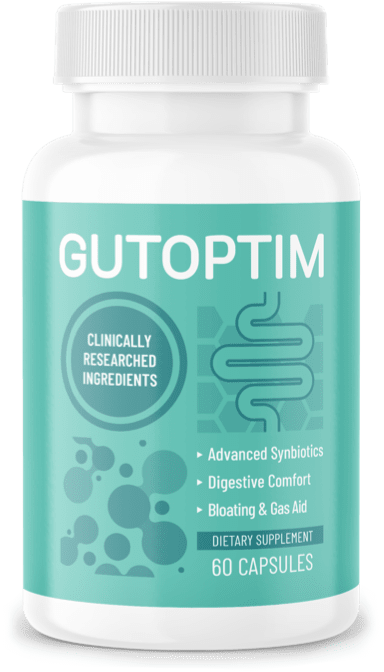
GutOptim
Fiber, clay, aloe and one probiotic in a 1.5 g blend
Serving2 capsules a day
Cost per day$1.63–$2.30
Every dose shownNo
Full ingredient list, but the whole blend is a fraction of the fiber doses used in studies.
Check price on the official site
Read the label check
Gut Save
Fish collagen, herbs and probiotics, 500 mg with every dose listed
Serving1 capsule a day
Cost per day$1.63–$2.63
Every dose shownYes
The most open label of the three, with small amounts of each ingredient.
Check price on the official site
Read the label check
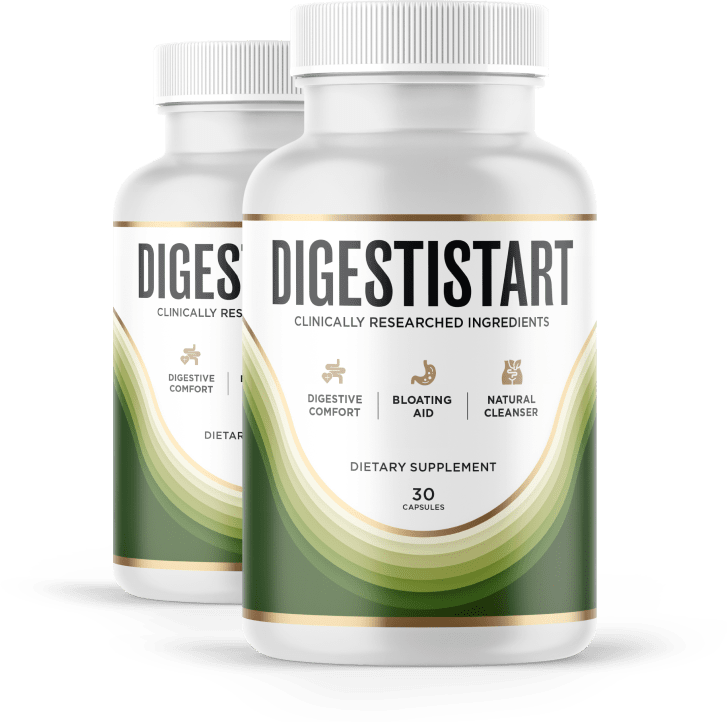
DigestiStart
11 traditional Chinese herbs in a 500 mg blend
Serving1 capsule a day
Cost per day$1.63–$2.63
Every dose shownNo
A herbal tonic blend, about 45 mg per herb, with mostly lab and animal studies behind it.
Check price on the official site
Read the label check
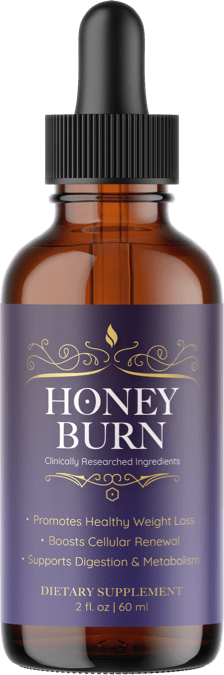
HoneyBurn
Honey, bee products, herbs and berberine in a 550 mg blend
Serving2 ml liquid a day
Cost per day$1.63–$2.30
Every dose shownNo
Berberine is listed last, so a serving holds about 4 mg of it at most.
Check price on the official site
Read the label check
Sources
- Cleveland Clinic. Leaky Gut Syndrome (medically reviewed April 6, 2022). my.clevelandclinic.org
- Marchbank T. et al. The nutriceutical bovine colostrum truncates the increase in gut permeability caused by heavy exercise in athletes. American Journal of Physiology: Gastrointestinal and Liver Physiology, 2011. PubMed 21148400
- Gut Save official site: Supplement Facts label and reference list, checked October 16, 2026. Details in our comparison.
- NIH Office of Dietary Supplements. Probiotics: Fact Sheet for Health Professionals. ods.od.nih.gov